
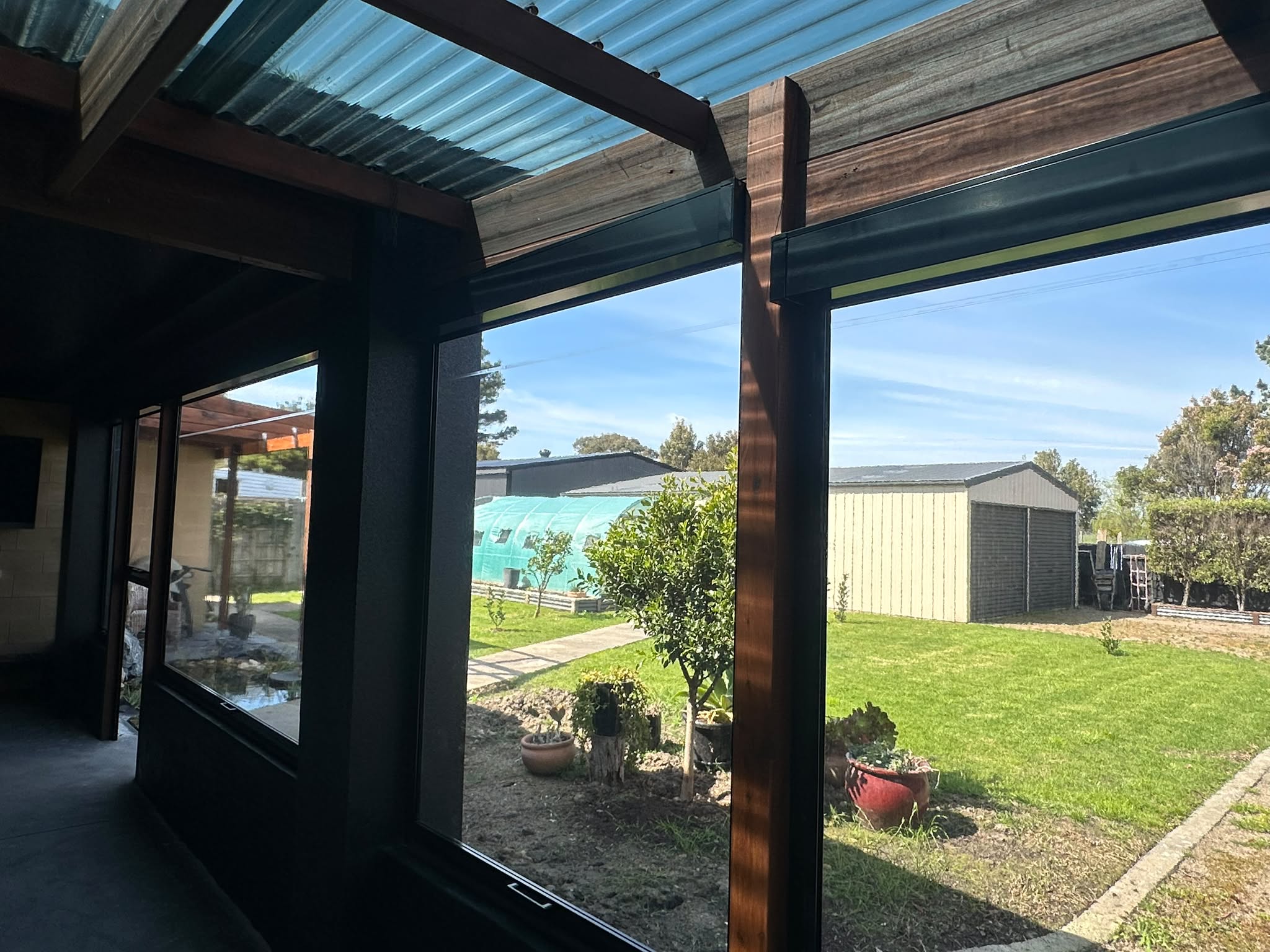
The Mornington Peninsula lifestyle is all about enjoying fresh air, entertaining outdoors and making the most of beautiful coastal surroundings. But while your outdoor living area benefits from the local climate, your window coverings are also exposed to dust, salt, moisture, wind and sunlight.
That makes regular maintenance important. The good news is that cleaning outdoor blinds doesn’t have to be complicated. With the right technique and a little care, you can remove everyday dirt without damaging the fabric, tracks, hardware or protective finishes.
Why Regular Cleaning Matters
Outdoor window coverings are designed to handle exposure to the elements, but that doesn’t mean they are maintenance-free. Dust, pollen, bird droppings, cobwebs, moisture and coastal salt can gradually build up on the surface.
Homes closer to the coast may experience additional salt deposits, while shaded areas can remain damp for longer and become more susceptible to mould or mildew.
Regular cleaning can help:
- Maintain a fresh, well-kept appearance
- Reduce the build-up of dirt and salt
- Keep tracks and operating components working smoothly
- Reduce the risk of mould and mildew
- Extend the useful life of your window coverings
Prestige Window Coverings supplies durable outdoor blinds designed for Australian conditions, with features including UV protection, water resistance and heavy-duty construction.
What You’ll Need Before You Start
You don’t need an extensive collection of cleaning products. Prepare:
- A soft-bristle brush or broom
- A bucket of lukewarm water
- Mild soap or gentle detergent
- A soft sponge or microfibre cloth
- A garden hose with gentle water pressure
- A clean, soft towel if required
Avoid bleach, solvents, abrasive cleaners, rough brushes and high-pressure washers. Strong chemicals and excessive pressure can affect coatings, fabric surfaces, clear materials and mechanical components.
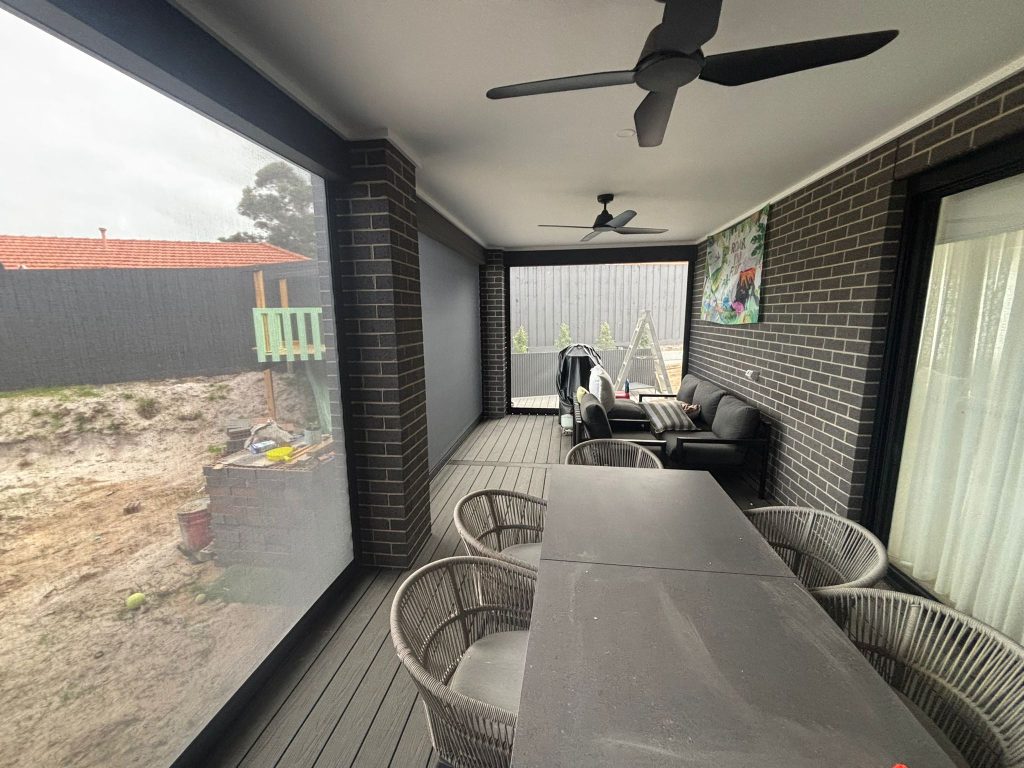
Step 1: Lower the Blinds Completely
Before cleaning, fully extend the blind so the surface is accessible and relatively flat.
If your system is motorised, operate it normally rather than pulling or forcing the blind manually. Prestige’s range includes manual, motorised and crank-operated options.
For safety, never attempt to clean a motorised system while its electrical components are exposed to water.
Step 2: Remove Loose Dirt First
Don’t immediately start scrubbing.
Use a soft brush or dry microfibre cloth to gently remove loose dust, leaves, cobwebs and other debris. Pay particular attention to the top section, side channels and bottom rail.
Removing dry particles first helps prevent them from becoming muddy and spreading across the surface when water is introduced.
Step 3: Use Mild Soapy Water
Mix a small amount of mild detergent with lukewarm water.
Dip a soft sponge or cloth into the solution and wring it out before wiping the surface. Work gently from the top down, giving extra attention to areas with visible marks.
For stubborn dirt, avoid aggressive scrubbing. Instead, allow the mild solution to loosen the residue before wiping it again.
If you have clear PVC-style sections, take extra care because abrasive materials can cause scratches or affect clarity.
Step 4: Don’t Forget the Tracks and Bottom Bar
The fabric or main surface isn’t the only part that needs attention.
Dirt can collect around side channels, bottom rails, corners and other moving components. Carefully wipe these areas with a soft cloth and remove any debris that could interfere with operation.
Don’t force dirt deeper into tracks or mechanisms. If something appears damaged or unusually difficult to operate, professional inspection may be safer than attempting to fix it yourself.
Step 5: Rinse Gently
Once you’ve finished cleaning, rinse away the remaining soap with clean water.
A garden hose on gentle pressure is generally preferable to a pressure washer. High-pressure water can potentially damage surfaces, force moisture into mechanisms or affect delicate components.
Thorough rinsing is important because leftover detergent can attract more dirt.
Step 6: Let Everything Dry Completely
This step is easy to overlook.
Leave the covering fully extended and allow it to dry naturally before retracting it. Rolling or folding a damp surface can encourage mould, mildew and unpleasant odours.
If you’ve cleaned the blinds after rain or during a humid period, allow additional drying time.
How Often Should You Clean Them?
There isn’t one schedule that suits every home. A property exposed to coastal air, trees, heavy dust or frequent outdoor entertaining may need more frequent attention.
As a general guide:
- Light cleaning: every few weeks when needed
- Thorough cleaning: every few months
- After heavy weather: inspect and rinse away accumulated debris
- Coastal homes: check regularly for salt deposits
Frequent light maintenance is usually easier than waiting until dirt has become heavily embedded.
What About Mould or Stubborn Stains?
Don’t immediately reach for strong bleach or harsh chemicals.
Different materials and finishes require different care. If mould, staining or discolouration doesn’t respond to gentle cleaning, check the manufacturer’s maintenance recommendations or ask a professional before trying a stronger product.
This is particularly important if your outdoor blinds have specialised fabrics, clear panels, motorisation or integrated track systems.
When Should You Consider Professional Help?
Cleaning can handle everyday dirt, but it can’t correct mechanical problems, damaged fabric, worn components or deteriorating materials.
Consider professional assistance if you notice:
- Cracks or brittleness
- Frayed fabric or stitching
- Damaged tracks
- Unusual motor noises
- Difficulty raising or lowering the covering
- Persistent mould or staining
- Water entering areas that should remain protected
Prestige Window Coverings offers Australian-made outdoor solutions designed with durability, weather resistance and everyday usability in mind.
FAQs
Can I use a pressure washer to clean them?
It’s best to avoid high-pressure washing. Excessive pressure may damage the surface, seams, tracks or mechanical components.
Can I clean them while they’re rolled up?
No. Fully extending them gives you better access and helps ensure the entire surface is cleaned evenly.
Can I use bleach to remove mould?
Avoid using bleach unless the manufacturer specifically recommends it for your particular material. A mild cleaning solution is a safer starting point.
How can I prevent mould from developing?
Allow the blinds to dry completely after rain or cleaning. Avoid retracting them while they are still damp and maintain good airflow around the outdoor area.
Are these coverings suitable for coastal homes?
The right system can be suitable for coastal environments, but regular cleaning is especially important because salt and moisture can accumulate on exterior surfaces.
Do motorised systems need special care?
Yes. Keep electrical and motorised components protected from unnecessary water exposure. If the system develops an operating issue, professional inspection is recommended.
Keep Your Outdoor Space Ready for Every Season
A simple cleaning routine can make a noticeable difference to the appearance and longevity of your window coverings. Gentle cleaning, regular inspections and proper drying are far safer than aggressive scrubbing or harsh chemicals.
If you’re considering durable, custom-made outdoor blinds for your patio, deck or entertaining area, Prestige Window Coverings can help you explore suitable options for your home and outdoor lifestyle. Their Mornington Peninsula range is designed to provide practical protection while helping you enjoy your outdoor space throughout the year.