
Introduction
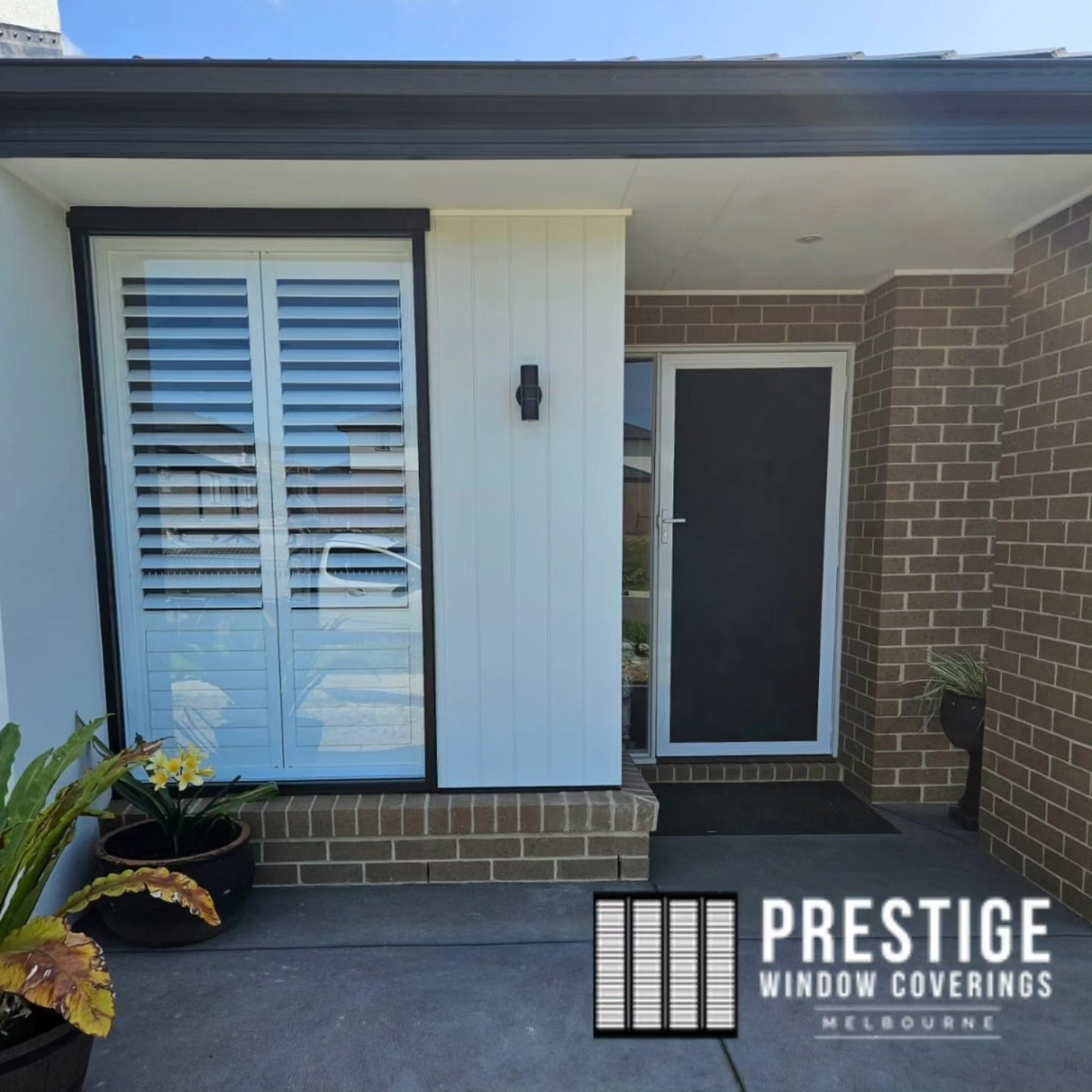
Have you ever walked past a house and felt both safe and impressed by how it looked? That reaction is exactly what a well-chosen security door can create. Bayside security doors combine rugged protection with style — think of them as the bodyguard that also knows fashion. In this article, we’ll unpack what makes Bayside security doors so effective at boosting safety and curb appeal, how to choose the right one, and practical tips to keep it working and looking great for years.
Why Bayside Security Doors?
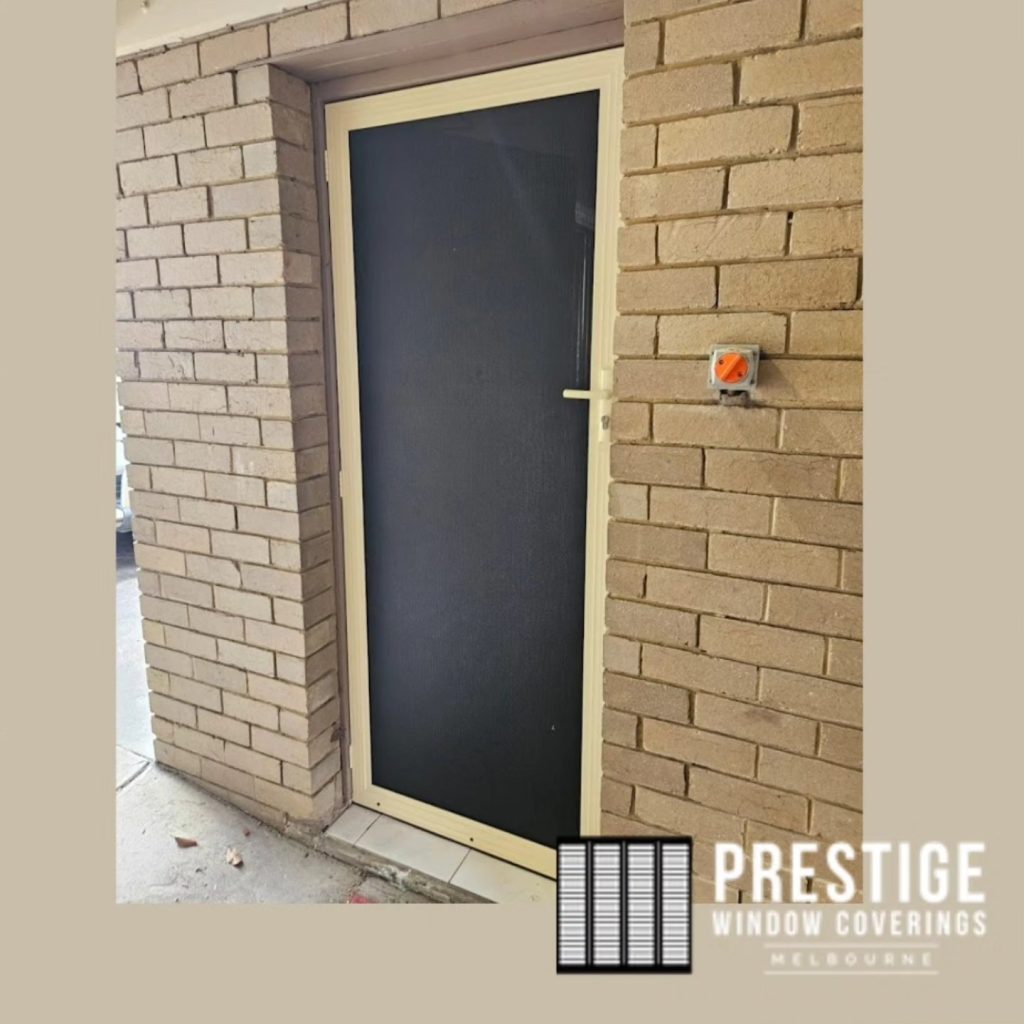
Why pick Bayside over any other security door? Simple: they strike a balance between performance and aesthetics. You want something that keeps intruders out, resists weather (especially if you live near the coast), and still looks like it belongs — not like a prison gate. Bayside models are known for durable construction, flexible styles, and finishes built to handle salty air and sun exposure. They’re engineered to protect without turning your home into a fortress.
What Are Bayside Security Doors?
Design & Construction Basics
At their core, Bayside security doors are purpose-built doors designed to resist forced entry while allowing light and air into your home. They typically feature a strong frame, a security mesh or grill, and a lock system that’s more advanced than a standard door lock. Unlike temporary or decorative screens, these are structural elements meant to withstand real attempts at breach.
Materials Used (Steel, Aluminum, Composite)
Materials matter. Most Bayside options come in steel or aluminum, sometimes with composite trims. Steel is extremely strong and offers excellent security, while aluminum resists corrosion better and is lighter — a big plus for coastal areas. Composite doors blend the best of both worlds, providing good durability, lower maintenance, and versatile styling.
Key Safety Features
Multi-point Locking Systems
One of the game-changing features: multi-point locks. Rather than just a single deadbolt, multi-point systems lock at several points along the door frame — top, middle, and bottom. That spreads any forced pressure and makes it far tougher to pry the door open.
Reinforced Frames and Strike Plates
A lock is only as good as the frame it’s anchored to. Reinforced frames and heavy-duty strike plates prevent hinges and locks from being ripped out, which is a common method burglars use to force entry.
Tamper-Resistant Hinges
Hinges that can’t be easily removed from the outside — often called tamper-resistant or security hinges — are a must. Some Bayside designs use concealed or specially pinned hinges to stop hinge-removal attacks.
Mesh and Screening Options
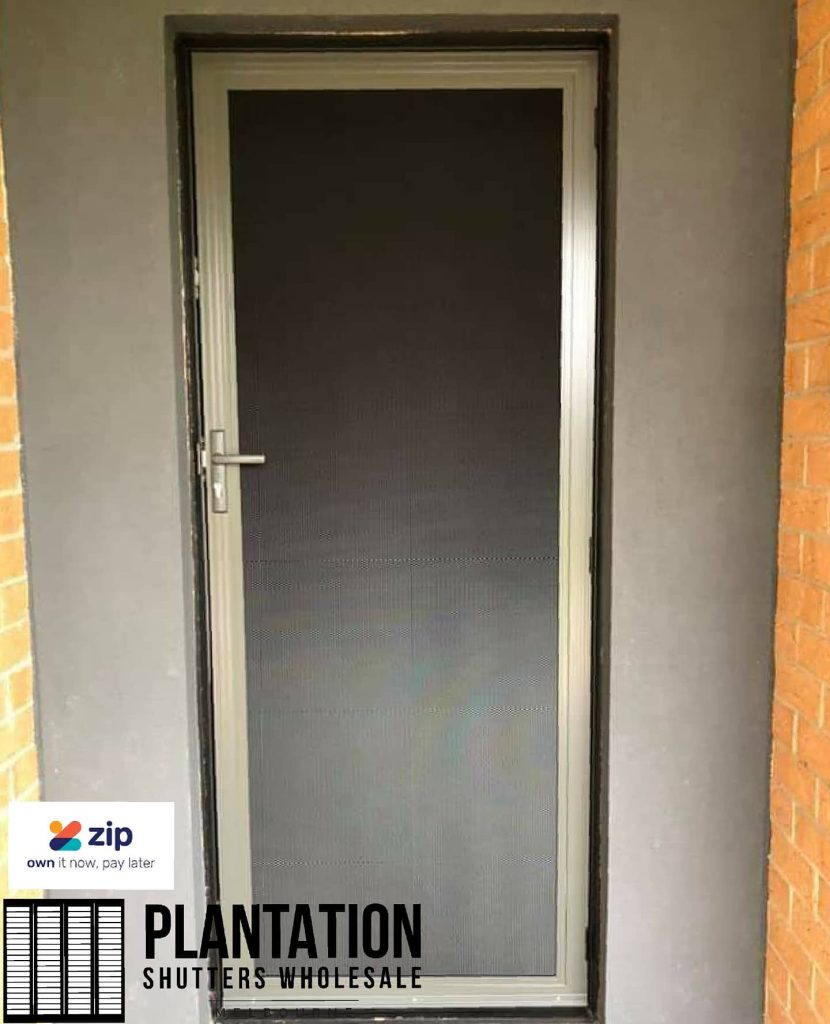
Modern security mesh keeps insects and small debris out while offering visibility and airflow. High-tensile mesh resists cutting and sawing, so you don’t have to trade ventilation for safety. Some meshes also provide added privacy and sun shading.
How They Improve Street Appeal
Styles and Finishes
Security doors no longer have to be purely utilitarian. Bayside doors come in sleek, traditional, contemporary, and ornate designs. You can get minimalist lines for modern homes or decorative motifs for period properties. Finishes range from powder-coated colors to wood-look laminates.
Customizable Decorative Options
Want scrollwork? A subtle geometric pattern? Stained glass inserts? Bayside models often let you add decorative panels or design elements that match your front façade, so the door becomes a thoughtful part of the home’s aesthetic.
How Color and Texture Affect Curb Appeal
Color and texture can make or break curb appeal. A matte charcoal security door can give a sleek, high-end look, while a warm woodgrain finish can make a house feel welcoming. Textures hide small dings and wear, helping the door look newer longer.
Energy Efficiency & Ventilation Benefits
Improved Airflow Without Sacrificing Security
Many homeowners worry that security equals stuffy. Not true. Security doors with mesh let you keep the front door open for ventilation while maintaining a secure barrier. That’s especially useful on mild evenings or when you want cross-breeze airflow without risk.
Insulation and Thermal Considerations
Some Bayside doors are designed with thermal breaks or insulated cores, which help reduce heat transfer. While they’re not a replacement for an insulated external door, they can reduce drafts and help maintain interior comfort, especially when paired with a solid denser primary door.
Choosing the Right Bayside Security Door for Your Home
Assessing Your Security Needs
Start by asking: How high is the neighborhood risk? Do you have ground-floor windows or sliding doors that need extra attention? If you live on a busy street, durability and low maintenance may matter more than ornate details. For coastal properties, corrosion resistance becomes crucial.
Matching Door Style to Home Architecture
Your security door should complement the architectural style. A colonial home might suit traditional panes and decorative grills, while a mid-century modern house pairs well with clean lines and minimal hardware. Think of the door as an accessory that completes the outfit.
Sizing and Fit: Measuring Correctly
Measure carefully. A poorly fitted security door undermines both safety and appearance. Measure the height, width, and reveal (depth of the door frame) at multiple points because walls can be uneven. If in doubt, get a professional measure — it’s worth the small extra cost.
Installation: DIY vs Professional
Why Professional Installation Matters
You could save money by DIY-ing it, but installation does more than hang a door. Professionals ensure frame alignment, correct lock installation, and secure anchoring into studs or masonry. A small error during install can void warranties or make the door less secure.
What to Expect During Installation
Expect a 2–4-hour job for a single door (longer for double doors or more complex frames). Installers will remove trim as needed, secure the frame with expansion bolts or anchors, check the swing and lock function, and do final sealing. They should also show you how to use and maintain the locks.
Maintenance Tips to Keep Your Door Looking and Working Great
Cleaning and Finishing Care
Regular cleaning keeps finishes fresh. Use mild detergent and water for painted or powder-coated surfaces. Avoid harsh chemicals that strip finishes. For woodgrain or composite finishes, a gentle wipe-down and occasional protective polish can help.
Lubrication and Lock Maintenance
Locks and hinges should be lubricated with a graphite or silicone-based lubricant (not oil which can attract dust). Check screws for tightness annually and ensure weatherstripping remains intact to prevent drafts and water ingress.
When to Repair vs Replace
Minor cosmetic damage? Repair. If the frame is bent, the lock is failing repeatedly, or there’s significant corrosion, replacement might be safer and more cost-effective in the long run. If your door no longer aligns or the mesh is compromised, that’s an immediate red flag.
Cost Considerations & Value
Initial Cost vs Long-Term Value
Security doors range widely in price depending on materials and extras. While a premium Bayside model costs more upfront, it often pays back through reduced maintenance, energy savings, and — importantly — peace of mind. Think of it as an investment in your home’s physical security and marketability.
How Security Doors Affect Home Resale Value
A well-chosen and professionally installed security door can increase perceived value. Buyers notice curb appeal and practicality; a door that suggests safety, low maintenance, and style can make an offer more attractive. It might not add a specific dollar amount on its own, but it improves buyer confidence.
Common Myths & Misconceptions
“Security Doors Make My Home Look Like a Fortress”
Not necessarily. Many modern security doors are designed to be discreet and elegant. When chosen to match the home’s style, they look intentional, not defensive.
“They Block Views and Light”
Good mesh options are virtually invisible from a distance and let sunlight through. If you’re worried about losing light, opt for a fine mesh with a slim frame and consider decorative glass inserts that enhance light while preserving security.
Real-Life Use Cases & Before/After Scenarios
Urban Townhouse Upgrade
Imagine a narrow townhouse with an old wood door that warps in weather. Installing a slimline Bayside security door with a charcoal finish instantly modernizes the façade and allows the homeowner to keep the front door open for ventilation during the day — without compromising safety.
Coastal Home with Salt-Air Resistant Finishes
A seaside bungalow suffers from rust on traditional fixtures. A Bayside door with an aluminum frame and marine-grade powder coat resists corrosion, keeps insects out, and presents a beachy, welcoming front that boosts the property’s curb appeal.
Security Standards & Certifications to Look For
Local Building Codes and Compliance
Always check local building codes. Some areas require certain egress standards or fire code compliance for security doors, especially if they’re in multi-family dwellings or connected to public corridors.
Industry Certifications
Look for certifications that indicate mechanical strength, corrosion resistance, and lock testing. These provide objective assurance that a door will perform under stress and environmental conditions.
Frequently Asked Questions (Preview)
Before the wrap-up, here are a few quick questions homeowners often ask:
- How much does a Bayside security door cost?
- Can I get a custom design to match my home?
- How long does installation take?
- Are these doors covered by warranty?
- Will insurance premiums change if I install one?
Conclusion
Security doors are not just about keeping intruders out — they’re a holistic upgrade. Bayside security doors blend form and function, giving homeowners a tangible lift in both safety and street appeal. Whether you live in a salt-sprayed coastal town or a bustling city suburb, the right door can add personality to your façade, improve ventilation, and provide long-term value. Choose materials that suit your climate, match the door style to your home architecture, and invest in professional installation and maintenance. The payoff? A home that looks inviting and feels protected — and that’s priceless.
FAQs
Q1: How much should I expect to spend on a Bayside security door?
A1: Prices vary by material, size, and customization. Expect a basic model in the mid-range, while premium or custom designs will cost more. Factor in professional installation and possible frame reinforcement — planning a budget that considers long-term value (durability, warranties) is smart.
Q2: Can I keep my main door open and rely on the security door for ventilation and security?
A2: Absolutely. One of the advantages of a mesh security door is that it allows you to leave your primary door open for airflow while maintaining a secure barrier. Choose a high-tensile mesh and a reliable locking system for the best combination of breathability and safety.
Q3: Will a Bayside security door require a lot of maintenance in coastal areas?
A3: Coastal environments demand corrosion-resistant materials like aluminum and marine-grade coatings. With proper finishing and routine checks (cleaning, lubricating locks), maintenance is minimal. Avoid untreated steel in salty air unless it’s specifically rated for marine exposure.
Q4: How do I know if a security door will match my house’s architectural style?
A4: Consider your home’s lines and materials. Contemporary houses suit sleek, minimalist doors; Craftsman or colonial styles pair well with decorative grills and classic finishes. Many suppliers offer galleries or renderings — bring photos of your façade and ask for mockups.
Q5: Do security doors require special locks or can I use my existing deadbolt?
A5: While an existing deadbolt may be used, security doors perform best with multi-point locking systems specifically designed for them. These locks distribute force across the door and frame, providing significantly better resistance to forced entry than a single deadbolt alone.